Home › Fargo, ND
Roof Turbine Installation in Fargo, ND
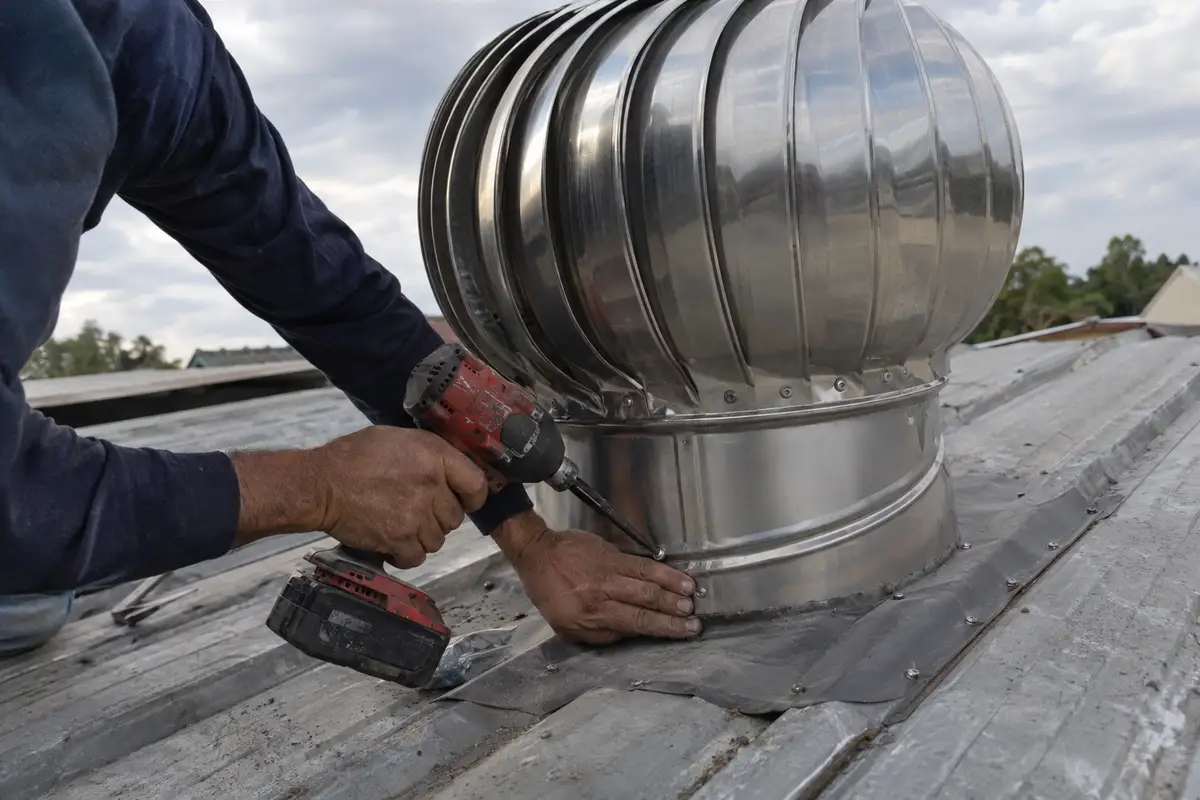
Roof Turbine Installation Kings provides roof turbine installation, whirlybird replacement, and attic turbine vent repair services in the Fargo, ND area for both residential and commercial properties. Contact us now for a free estimate.
How Much Does Roof Turbine Installation Cost in Fargo, ND?
Roof turbine installation in Fargo, ND costs anywhere from $240 to $960 on average for one or two new turbines cut into a shingle roof. The price depends on the number of turbines, roof pitch and height, the roofing material, whether a new opening is needed or an old turbine is being swapped, and any repairs to the decking or intake vents.
Do You Cover All of Fargo?
Yes, we take roof turbine installation requests across Fargo and the rest of the Fargo, ND-MN area. Labor and material costs here run about 4% below the national average, and the price range above already reflects that.
Do You Install Roof Turbines on Homes and Commercial Buildings?
Yes, we put turbines on houses, detached garages, sheds, and small commercial buildings that have a vented attic or roof space.
Do You Service My Area?
Yes, we cover the Fargo, ND area. Send us the property address and we'll confirm.
How Many Roof Turbines Do I Need?
Most homes need one turbine for about every 300 to 600 square feet of attic floor. The exact count depends on the turbine size and how much soffit intake you have, so send us the attic's square footage.
Do Roof Turbines Leak?
No, not when the flashing is tucked under the shingles above it and the head sits level. Leaks usually come from loose flashing, dried-out sealant, or a turbine installed tilted.
Are Roof Turbines Worth It?
Yes, in most cases, as long as the attic has enough soffit intake. They have no motor, and we recommend them on hip roofs and short ridges where a ridge vent won't fit.
Can I Have a Turbine and a Ridge Vent on the Same Roof?
No, not on the same attic. The turbine pulls air down through the ridge vent instead of up from the soffits, which leaves parts of the attic stagnant.
Do I Need Soffit Vents for a Roof Turbine to Work?
Yes, a turbine needs intake air coming in low at the eaves, usually through soffit vents. Without it, the turbine can pull conditioned air out of the house or draw rain in, so we check your soffits first.
Why Is My Attic Still Hot After Installing a Roof Turbine?
Blocked or missing intake is the usual cause, such as painted-over soffit vents or insulation pushed against the eaves. Too few turbines for the attic size also keeps heat trapped.
Can I Schedule a Turbine Installation on a Weekend?
Yes, in many areas, and we'll confirm the options for your address.
What Information Do You Need When I Contact You?
We need the address, the attic or house square footage, the number of stories, the roofing material, and what vents are on the roof now. Photos of the roof and soffits help us quote.
Will I Need to Be Home During the Installation?
No, most of the work happens on the roof. We do need to get into the attic to find the rafters and check the intake, so arrange access with us if you'll be out.
Can I Get Roof Turbines Installed if I'm Renting?
Yes, but the owner or property manager has to approve it first.
Do I Need HOA Approval for a Roof Turbine?
Yes, in many communities, since turbines can be seen from the street. Some HOAs, especially in tile-roof neighborhoods, turn them down, so check your rules first. We put them on the back slope where we can.
Do I Need a Permit to Install a Roof Turbine?
Yes, in some areas, because it's a new opening in the roof. Your local building department decides, so check with them or ask us when you call.
Can I Get a Price Before the Work Begins?
Yes, we confirm the price before any cutting starts. If we find soft decking once we're on the roof, we show you and agree on it before going further.
How Long Does Roof Turbine Installation Take?
Most turbines take about one to three hours each to install. Steep roofs, two-story homes, and tile or metal roofing take longer.
How Long Do Roof Turbines Last?
Most last about 10 to 25 years, depending on the metal and the weather. The bearings usually go first, and you'll hear squeaking or see the head spin slowly.
What Size Roof Turbine Do I Need?
Most homes get 12-inch turbines, and larger attics get 14-inch ones, which move over a third more air. Fewer, larger turbines also mean fewer holes in the roof.
Can You Install a Roof Turbine on a Tile Roof?
Yes, we use tile-roof turbines with a taller neck that clears the tile profile. Tell us whether your tile is clay or concrete.
Can You Install a Roof Turbine on a Metal Roof?
Yes, with flashing made for the panel profile. Let us know whether you have standing seam or exposed-fastener panels.
Do Roof Turbines Work When There's No Wind?
Yes, but much less. Warm air still rises out through the turbine, and once the wind reaches about 5 mph the head spins and pulls more air out.
Do Roof Turbines Work in Winter?
Yes, they keep venting moisture and help keep the attic cold. They won't stop ice dams on their own, since those mostly come from heat leaking up from the house.
Can You Fix a Noisy or Squeaky Roof Turbine?
Yes, squeaking usually means dry or worn bearings, and rattling is usually loose hardware, loose flashing, or bent blades. We tighten what's loose and replace worn bearings or the head.
Will Roof Turbines Lower My Energy Bills?
Yes, a little in most cases, because a cooler attic puts less load on the air conditioner in summer. Savings depend on your climate, insulation, and intake, so we can't promise a number.
Can I Install a Roof Turbine Myself?
Yes, if you're comfortable on a roof with a saw and fall protection. The usual mistakes are untucked flashing, a head that isn't level, and a cut through a rafter, and we can take the job if your roof is steep or two stories.
Can You Replace Just the Turbine Head on My Existing Base?
Yes, if the base is in good shape and the new head matches its size and model. Send us a photo of the base and tell us whether it's 12 or 14 inches.
Is Replacing an Old Turbine Cheaper Than Adding a New One?
Yes, a replacement usually costs less because the opening and flashing are already there. A new turbine adds cutting the deck and flashing a fresh opening.
Can You Install Turbines on a Hip Roof?
Yes, turbines suit hip roofs, which have too little ridge for a ridge vent.
Can You Install a Turbine on a Steep Roof?
Yes, on most. Adjustable turbine bases let the head sit level on a steep pitch, but the job needs extra fall protection and takes longer. A side photo of the roof helps us quote it.
Can You Install a Roof Turbine on a Flat or Low-Slope Roof?
Yes, in some cases, if there's a vented space underneath. Turbines work best on pitched roofs, so send us the pitch or a side photo and we'll say whether another vent fits better.
Can You Install a Turbine on a Garage or Shed?
Yes, we install turbines on detached garages, workshops, and sheds. The building still needs some intake, like soffit or gable vents, for the turbine to pull air through.
Can You Replace My Box Vents With Turbines?
Yes, we remove the box vents, patch the openings, and install turbines sized for the attic. We don't leave both, since mixing exhaust types on one attic disrupts the airflow.
Can You Have Too Many Roof Turbines?
Yes, if there isn't enough soffit intake to match them. Extra turbines then pull conditioned air up from the house instead of outside air from the eaves.
Can You Fix a Roof Turbine That Stopped Spinning?
Yes, a turbine that won't spin usually has seized bearings, a bent blade, or a nest or debris inside. Worn-out bearings mean replacing the head or the whole unit.
Can You Fix a Leaking Turbine Vent?
Yes, we check the flashing, the sealant, the shingles around the base, and whether the head is level. Tell us where the water stain shows up.
Can You Replace a Turbine That Blew Off in a Storm?
Yes, we replace the turbine and check the base and decking for damage. Until then, stay off the roof and put a bucket or tarp under the opening in the attic.
Will Insurance Pay for a Turbine Damaged in a Storm?
Yes, often, if your policy covers wind or hail damage, but it depends on your coverage and deductible. We can provide photos and an invoice for the claim.
Will a Roof Turbine Hold Up in High Winds?
Yes, in most storms. Some major brands are wind-tested to 110 mph, and externally braced models hold up best. In a hurricane area, ask us for a model approved under your local code.
Can You Add Turbines During a Roof Replacement?
Yes, and it's the cheapest time, since the shingles are already off.
Should I Cover My Roof Turbines in Winter?
No, leave them uncovered, because winter ventilation helps prevent attic moisture and ice dams.
Where on the Roof Do You Put the Turbines?
We place them high on the roof near the ridge, between rafters, and on the back slope where possible. All turbines go at the same height so they don't pull air from each other.
What Are Roof Turbines Made Of?
Most are aluminum or galvanized steel. Aluminum won't rust, galvanized costs less but can rust once the coating wears, and stainless steel costs more but resists corrosion best.
Are Roof Turbines Better Than Ridge Vents?
No, not always. A full-length ridge vent often works better on a long, straight ridge, while turbines suit hip roofs, short ridges, and roofs where a ridge vent isn't practical.
Do Roof Turbines Need Maintenance?
Yes, a little. Check them once a year for free spinning, noise, rust, and loose flashing, and only oil the bearings if the manufacturer says to.
